The right size for right now
Mark was writing a memoir about the ocean, a garden, and learning to stay. Between his job and making the book the best it can be, he didn't need a big website. He needed one simple, well-made page to put it out there.
Meet people where they are
Not everyone needs a full brand identity right now. Some people need a couple of sections that say the right thing. The work starts by asking what stage someone is at, and what matters most to them today.
His story first. What the book is, who it's for, what he wants it to do.
Turn the story into the order a reader should meet it.
A real page to react to. One draft, not a menu of options.
He fills in his own sections. The page is his.
Done well, at the size he needs. Grow it later.
What he needed now, and what can wait
- His story, in his words
- The book, coming soon
- An early list to join
- His own photos
- More pages, the launch
- Brand details, if they matter then
Simple isn't rushed. It's sized to what he needs today, and built with care from his story.
Get one thing done, then the next
The same goes for a logo, a sales process or a simple money system. Something real and done beats something perfect and waiting. Once it exists, the next step gets clearer.
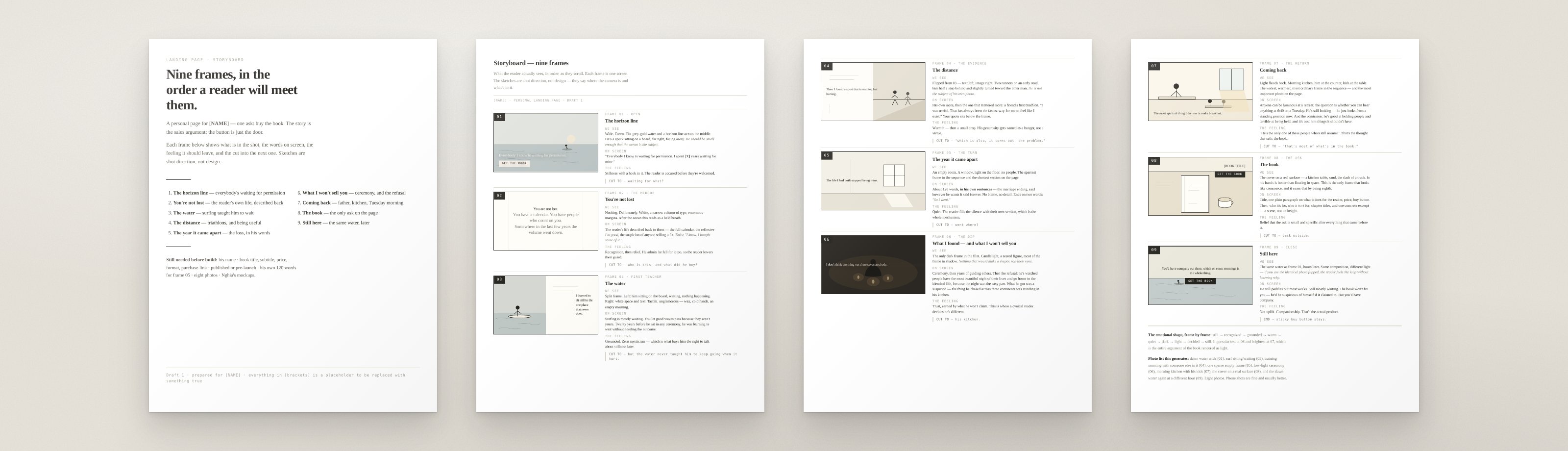
His story, in the order a reader meets it
Nine frames: what the reader sees, what the words do, what they should feel. Organizing the story was the real work. The design followed it.
Don't overthink the look
A few quick looks on paper, a few drafts, then one sent. Choosing between ten options is another job on his plate.
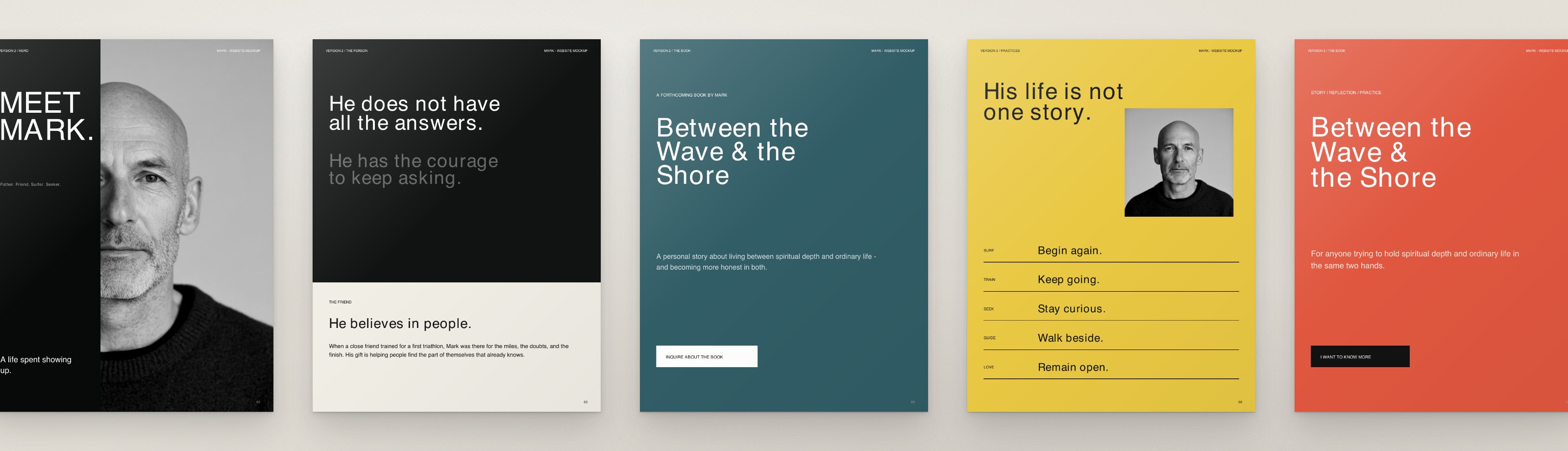
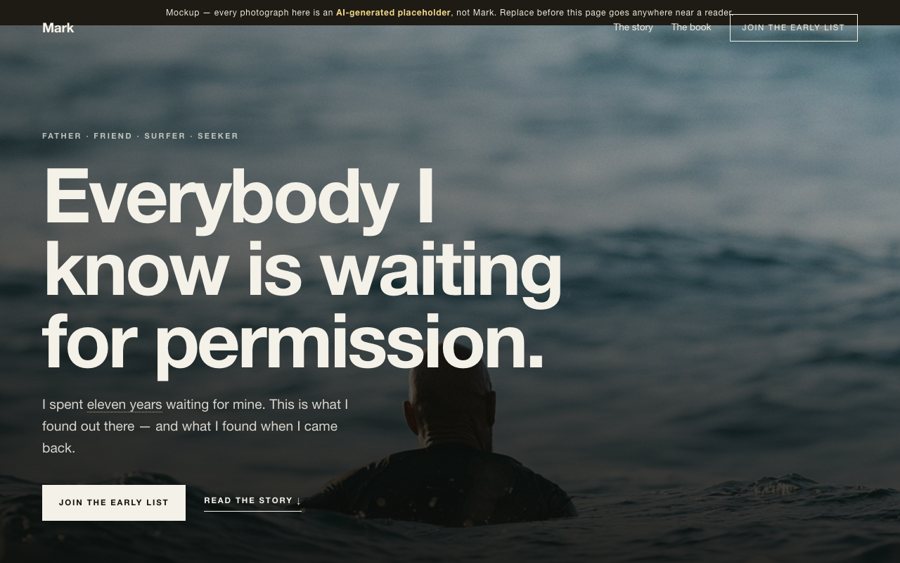
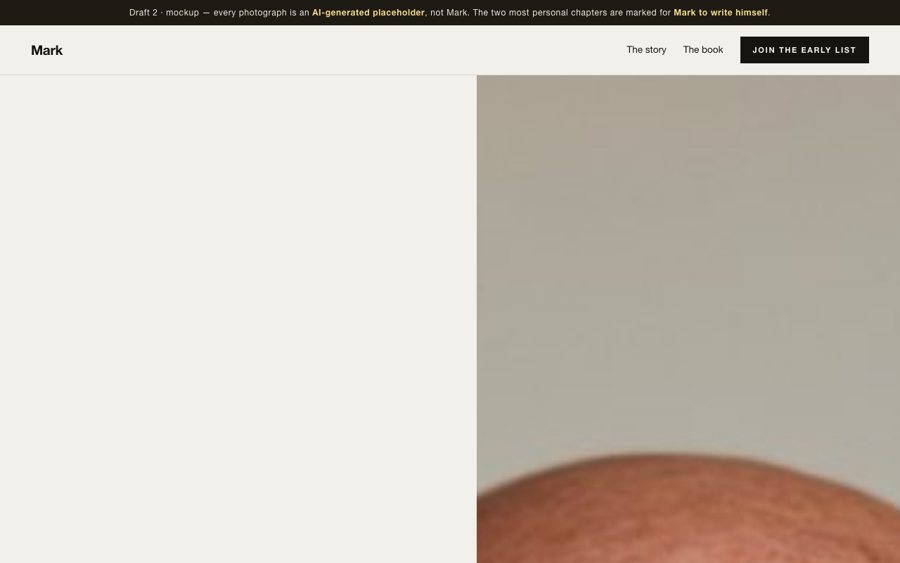
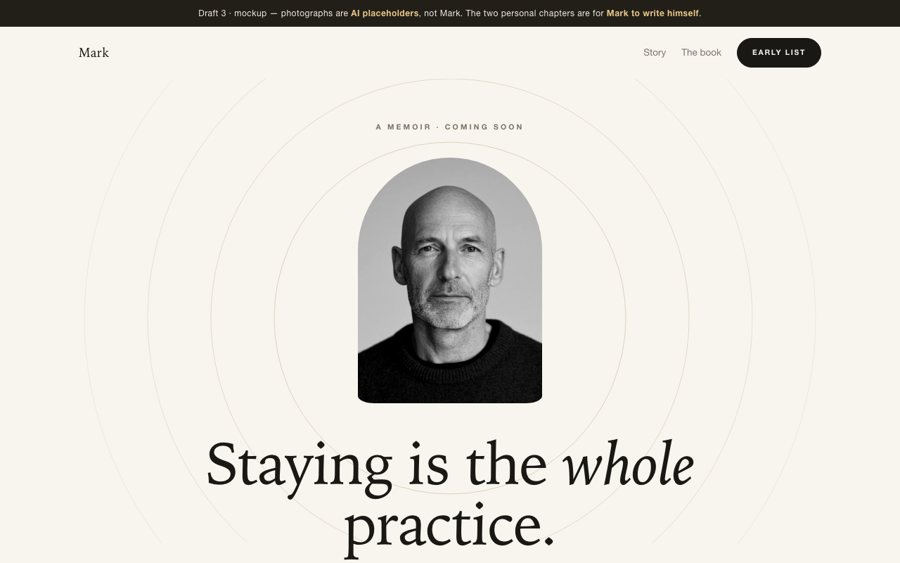
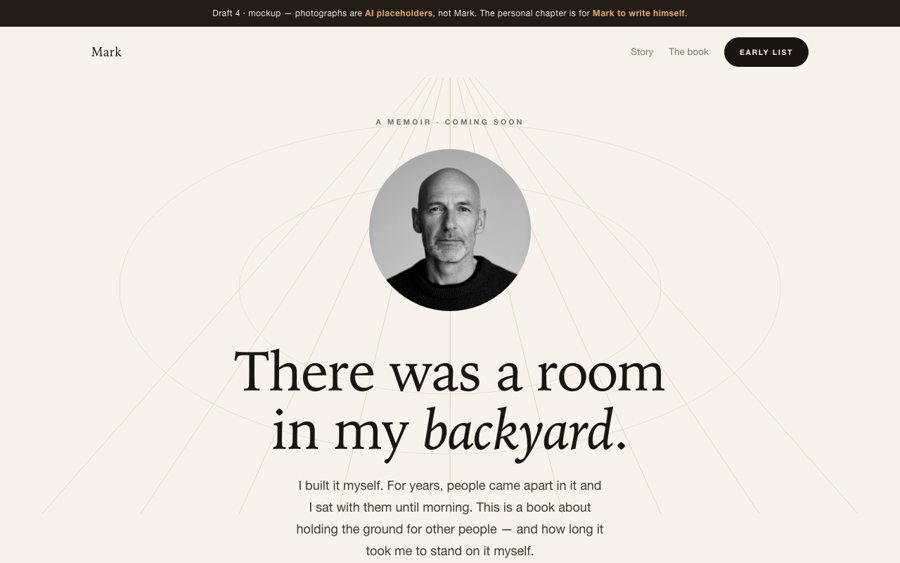
"Don't send more than two; it turns a decision into a shrug."From Nghia's notes on what to send Mark
The page is his. So are the words.
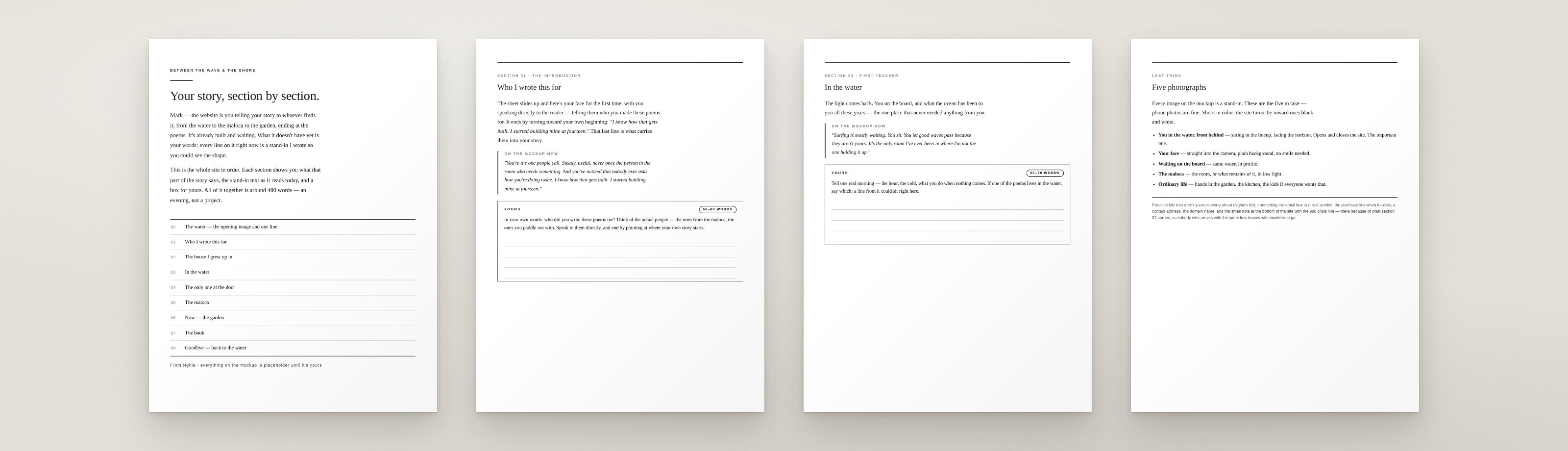
Everything on the draft was a stand-in. A short worksheet walked Mark through each section in his own words, plus a list of five photos to take.
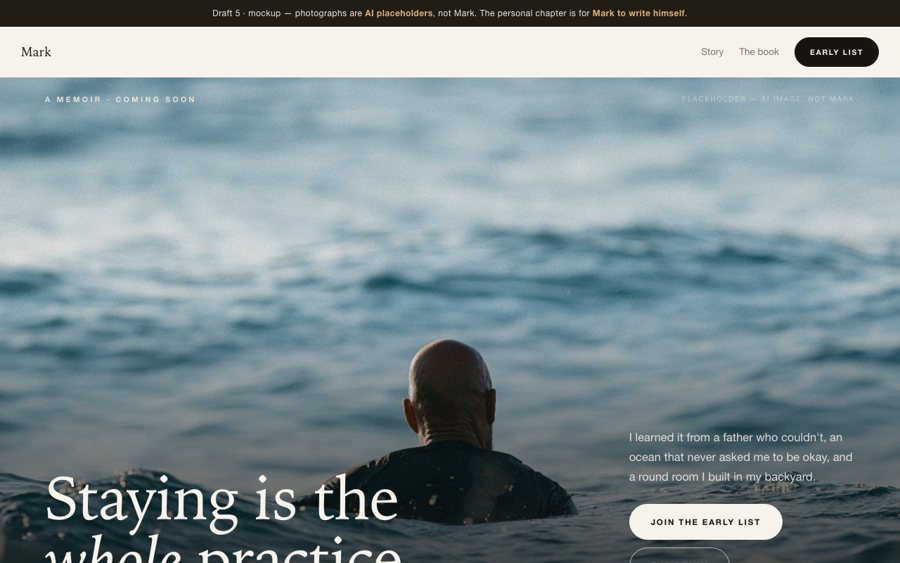
The page he liked
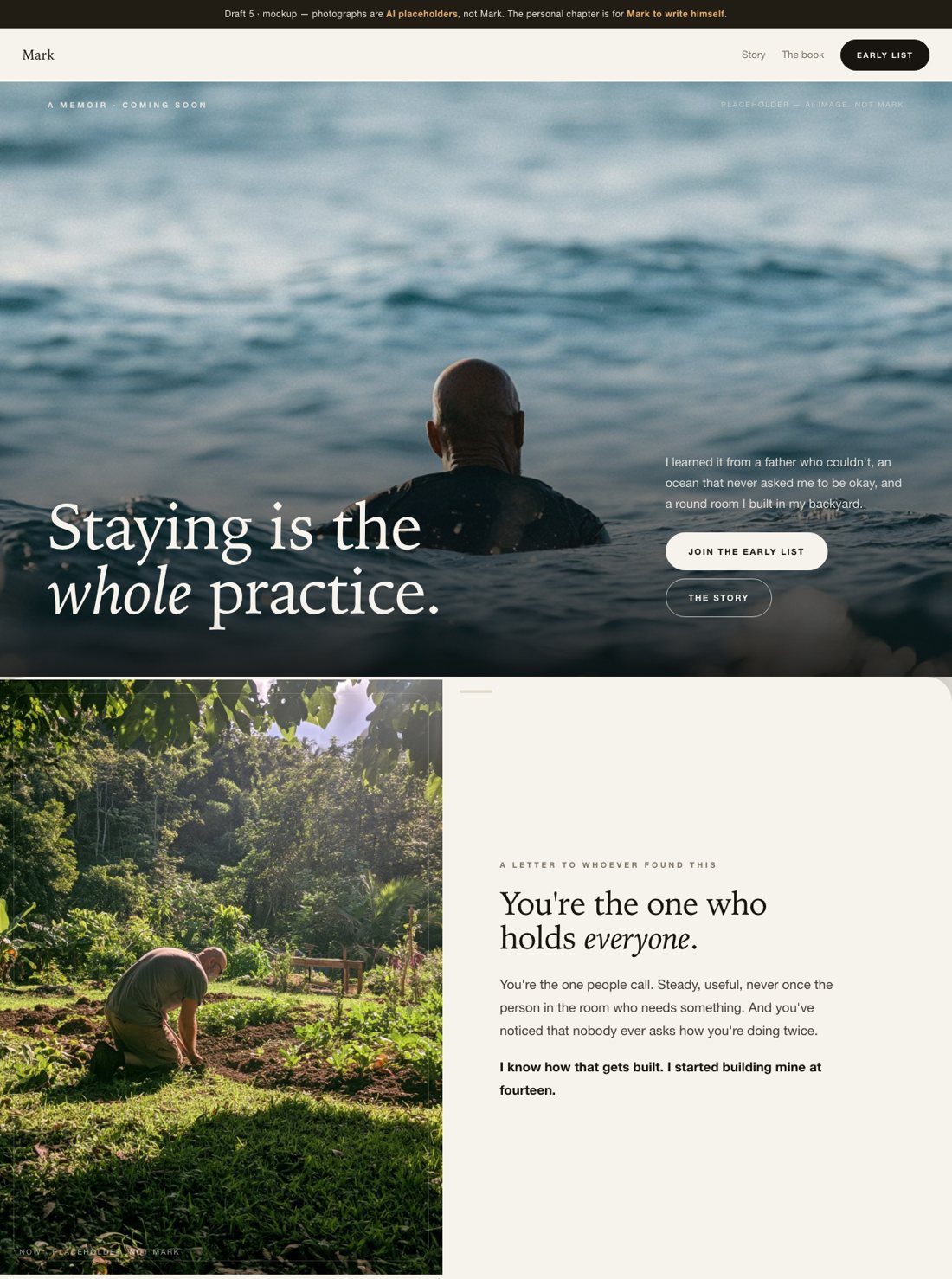
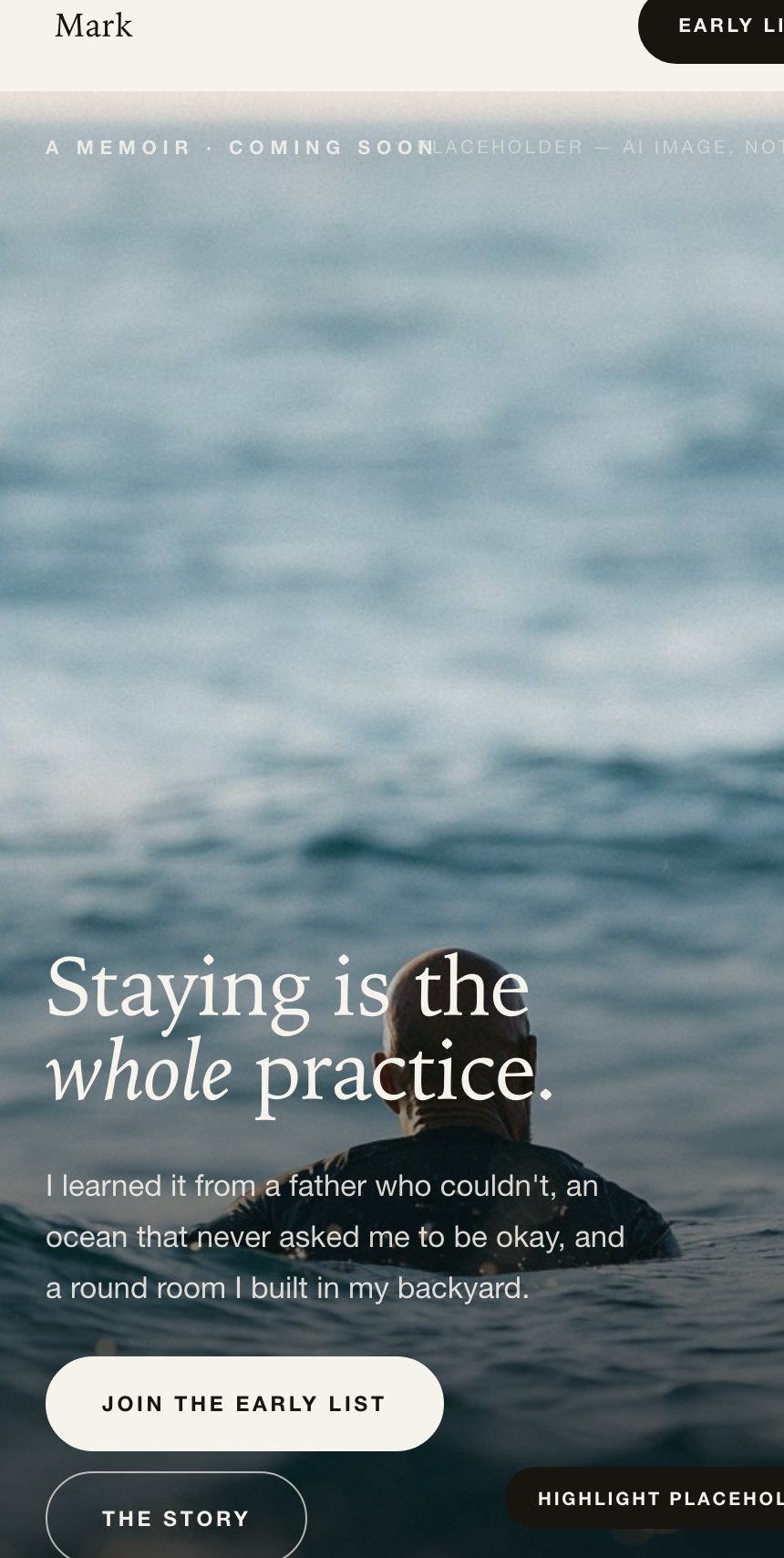
The photos are AI placeholders until Mark's own come in. They're there to show the feel, not him.
Could Mark's site grow into something bigger? Sure, when he's ready.
Right now the right answer was a simple page that says the right thing, done well, so his attention stays on the book. When that changes, we pick it back up, with everything he's learned he likes and doesn't.
"In the beginning, when you're starting anything, especially anything new, just getting something tangible and get going, I think that's the best win."Nghia
Mark has a page he's happy with, built around his own story. His attention stays on the book, and the next piece waits until he's ready for it.